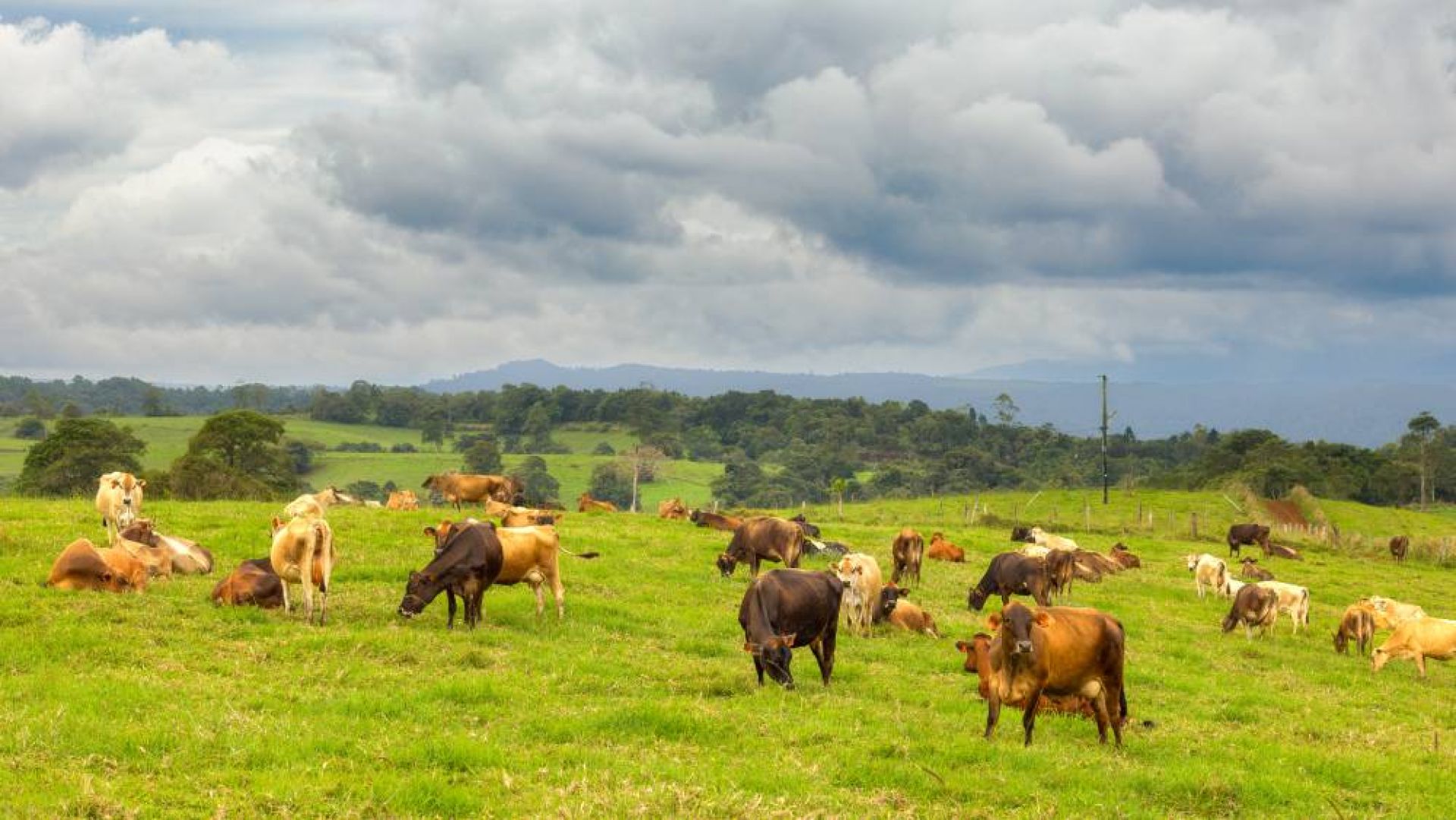
Our vision is to be a diverse and resilient region that captures opportunities for new growth in farming, fishing and forestry.
Regional snapshot
Far North Queensland is one of the most diverse agricultural regions in Australia, with significant operations in:
- fruit
- sugarcane
- livestock
- horticulture
- forestry
- seafood.
The region produces half of Queensland’s mangoes and avocados, as well as 97% of the state’s bananas.
Far North Queensland is committed to further diversifying its primary industries by exploring opportunities in:
- high-value horticulture crops
- new community-funded dairy farms
- expansion of cotton production.
The region is also dedicated to protecting its globally renowned natural assets with initiatives to strengthen biosecurity and combat invasive pest species.
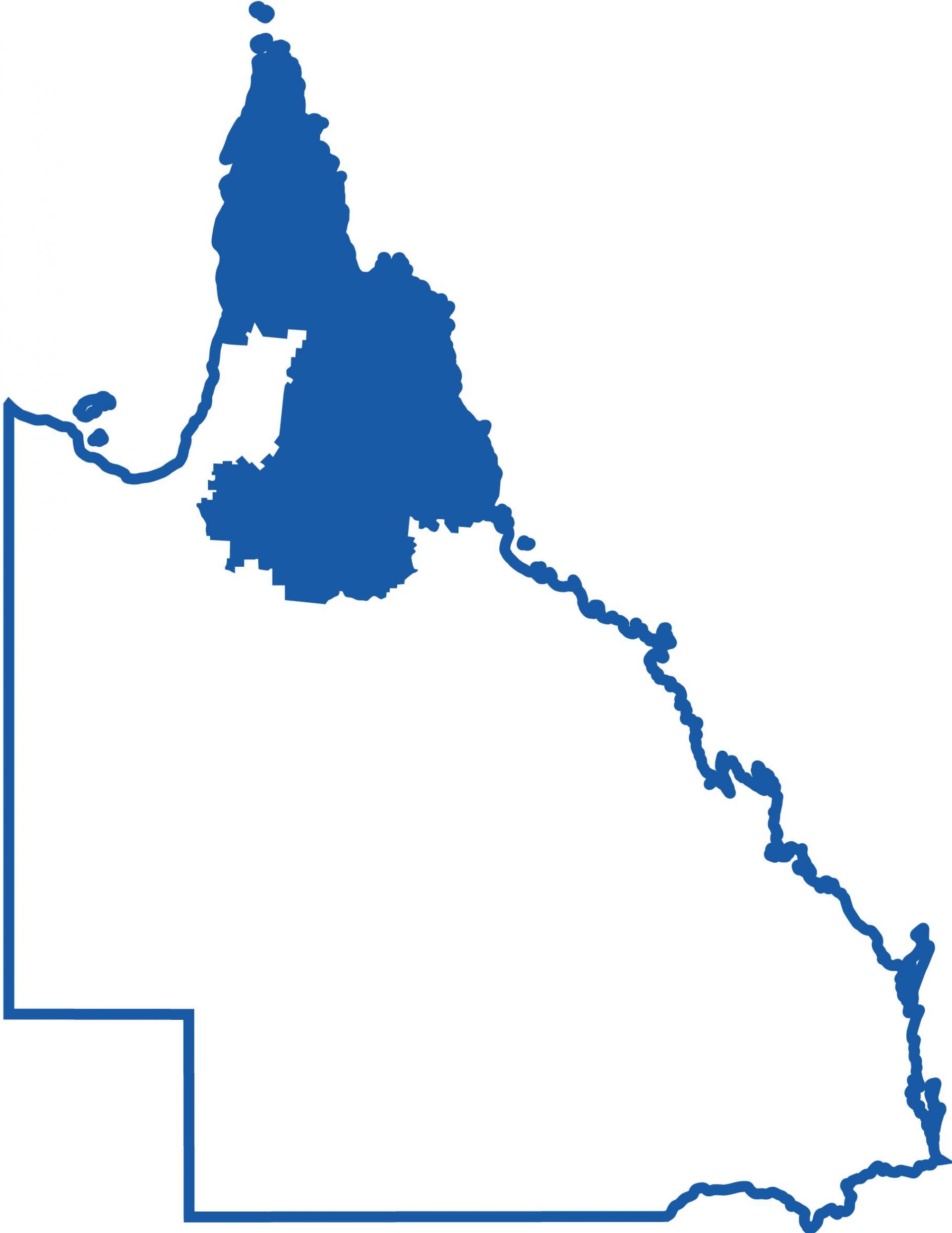
Location
The region is comprised of the Local Government Areas of:
- Aurukun Shire
- Cairns Regional
- Cassowary Coast
- Cook Shire
- Croydon Shire
- Douglas Shire
- Etheridge Shire
- Hope Vale Aboriginal Shire
- Kowanyama Aboriginal Shire
- Lockhart River Aboriginal Shire
- Mapoon Aboriginal Shire
- Mareeba Shire
- Napranum Aboriginal Shire
- Northern Peninsula Regional
- Pormpuraaw Aboriginal Shire
- Tablelands Regional
- Torres Shire, Torres Strait Island Regional
- Weipa Town
- Wujal Wujal Aboriginal Shire
- Yarrabah Aboriginal Shire.
Playing to our strengths
Broad diversity of agricultural products
Far North Queensland is Queensland’s largest supplier of bananas and mangoes, with 61% of its land used for agricultural production.
Together with the Tablelands, it represents a significant footprint of the north’s established, high-value, intensified mixed and broadacre cropping, grown against the backdrop of 2 World Heritage Areas - the Wet Tropics and the Great Barrier Reef.
The coastal plain also sustains a diverse agricultural base largely comprising sugarcane and associated milling, banana and other tropical tree fruits.
Vast lands with potential for agricultural development
Far North Queensland is one of Queensland’s most promising regions for growth, with vast lands and highly productive fisheries that could support sustainable dryland and irrigated agricultural development.
The region’s potential is strengthened by fertile soils and secure, reliable supplemented water provided by Lake Tinaroo and the Mareeba / Dimbulah Irrigation Area (MDIA).
Flourishing fisheries and aquaculture sector
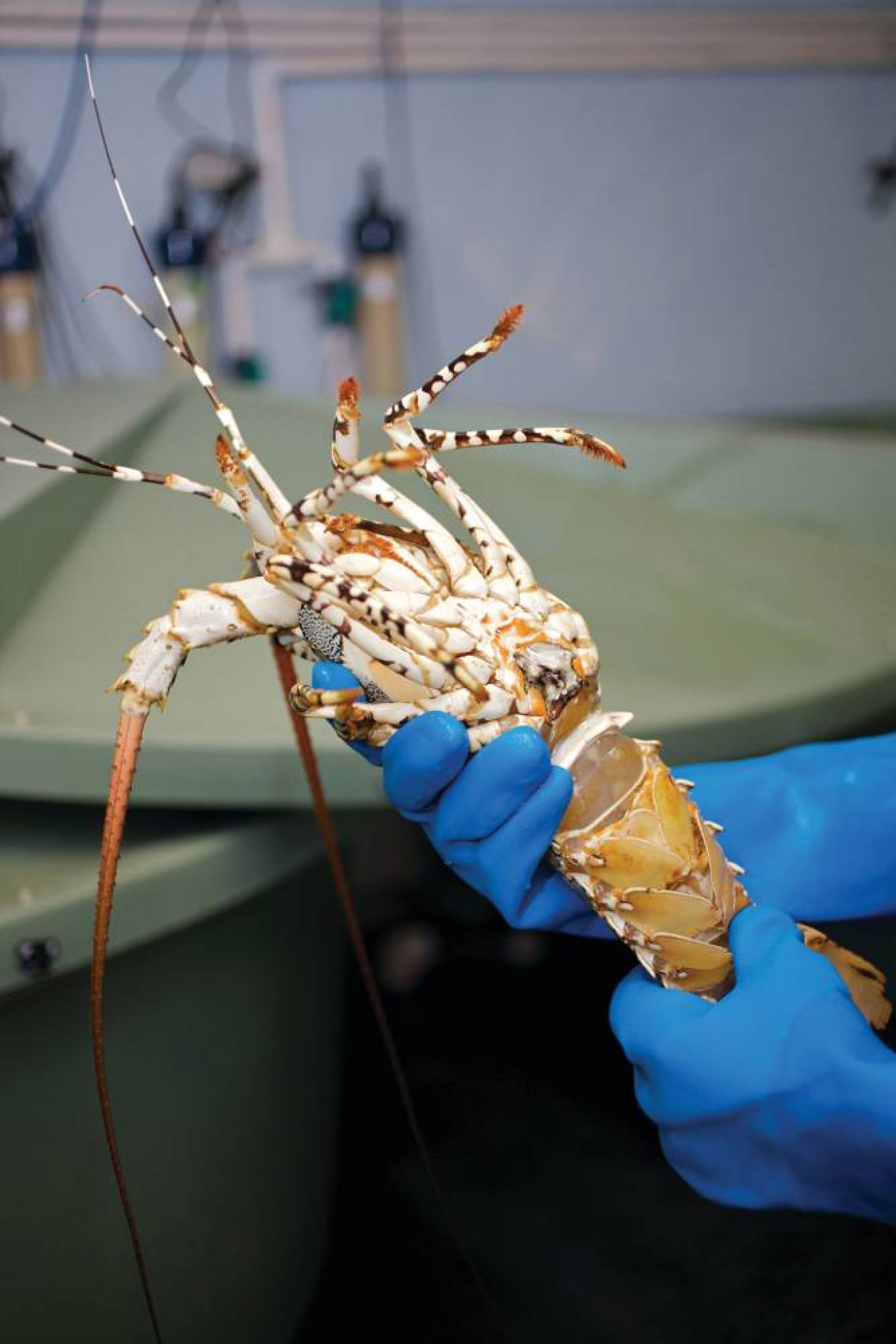
Natural resources and unique ecosystems nurture highly productive fisheries and aquaculture sectors. Far North Queensland’s aquaculture sector generates more than $70 million annually and supplies a significant volume of wild-caught seafood for export and domestic markets.
Connectivity to global markets
Far North Queensland is well-positioned for diversified growth, with strong potential for expansion in processing, manufacturing (value-adding), and export markets. The region leverages Cairns, its international airport, and interline connectivity to access global markets.
Resilient biosecurity
The region’s complex jurisdictional environment and proximity to Papua New Guinea and South East Asia heighten biosecurity risks from potential pest and disease incursions. Far North Queensland leads the way in effectively managing these challenges.
Emerging markets
The region is primed to participate in new and emergent markets such as bio-renewables and natural capital / ecosystem services.
Last updated: 07 Aug 2026