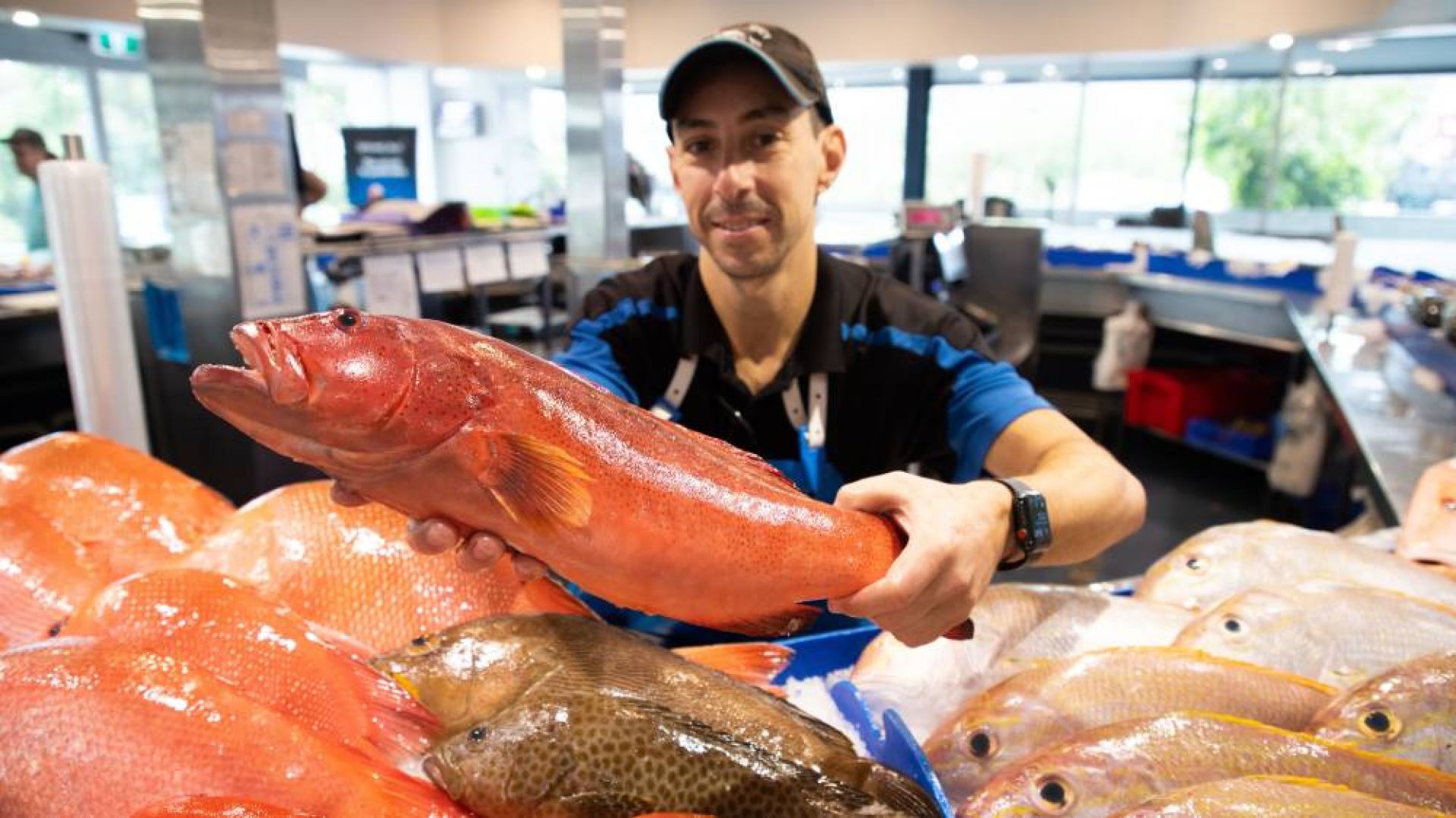
Our vision is to deliver a thriving, secure and resilient future for Queensland fishing and seafood through shared responsibility and environmental stewardship.
Delivering for Queensland's fishing and seafood sector
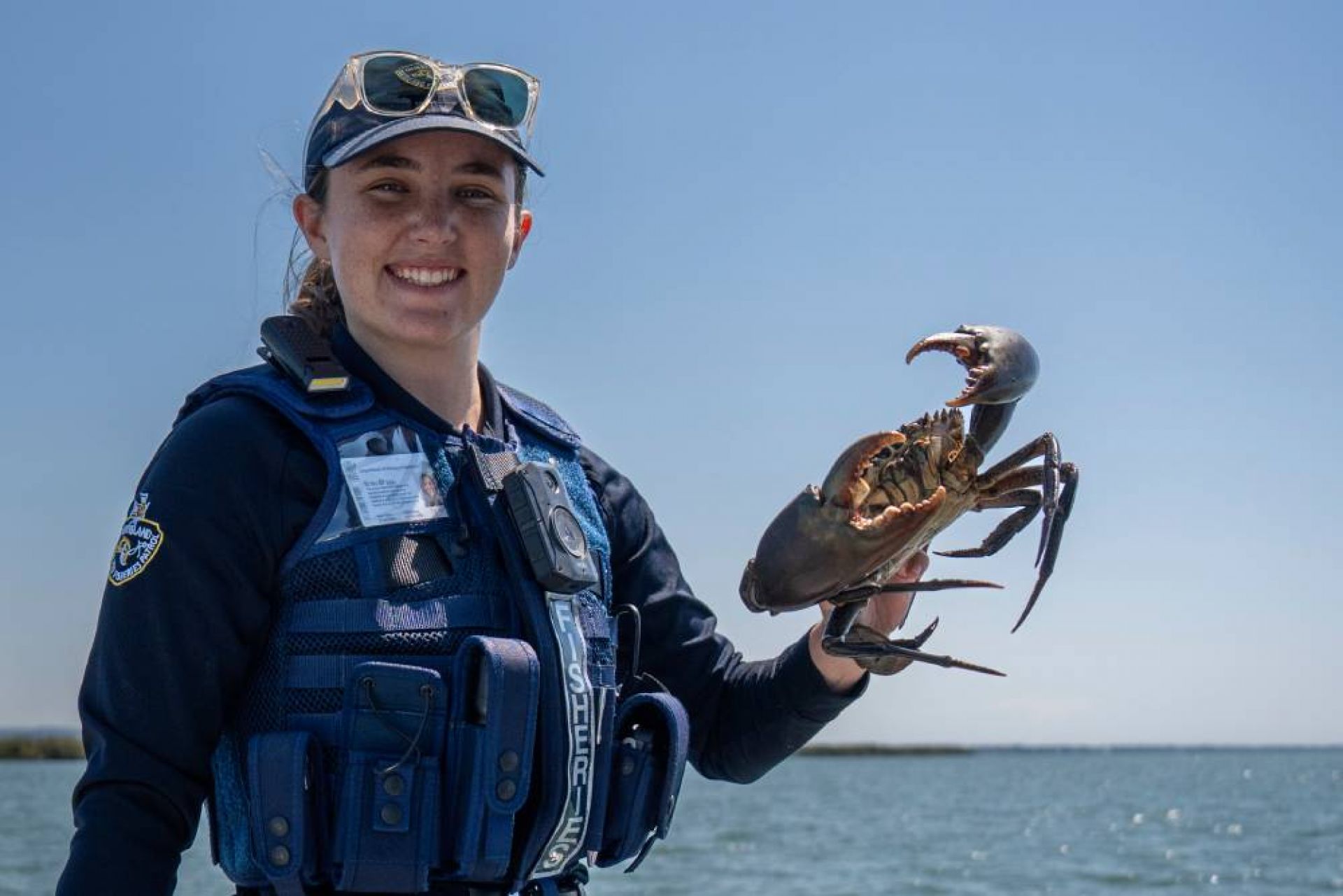
Queensland's fishing and seafood sector is important to our economy, food supply and identity.
It supports jobs and communities across the state, from the Torres Strait to the Tweed. The sector provides healthy food, supports wellbeing, attracts fishing and tourism experiences, connects people to place and is central to Aboriginal and Torres Strait Islander culture.
As we look towards a bold future that is defined by shared responsibility, we stand at a critical point of renewal and opportunity.
This 5-year plan represents a clear pathway towards a collective vision and future for fishing and seafood in Queensland.
It is designed to be a catalyst for transformation that embraces a diversity of aspirations from across the sector, respects traditional knowledge, and harnesses innovation to build a fishing and seafood economy that is regenerative, resilient and deeply connected to place.
The next 5 years provide an opportunity to secure the sector's future by building on what works and redesigning what needs to be improved. With the right actions, at the right time – and strong support for co-delivery – we can secure a bright future for fishing and seafood in Queensland.
A future that supports regional communities, enables recreational opportunities, grows business and tourism, and respects Aboriginal people's and Torres Strait Islander people’s rights and aspirations, all while safeguarding the health of the ecosystems we depend on.
It is vital that the right strategies and frameworks are put in place to ensure the fishing and seafood sector can thrive into the future and build legacy value for generations to come.
The Queensland Government is committed to collaboration and cooperation as we walk this path with our fishing stakeholders, industry partners, and regional and Aboriginal and Torres Strait Islander communities. Throughout the delivery of this plan, we will be guided by principles of stewardship, equity and shared success.
How we will achieve the vision together
The Queensland Government is delivering outcomes for fishing and seafood in partnership with the people and communities whose futures rest on getting it right.
Over the next 5 years, we will collectively focus on unlocking the full value, benefits and opportunities across our fisheries, aquaculture and seafood value chains through targeted and meaningful actions under the following initiatives.
Key initiatives
- Modernise the regulatory and decision-making landscape and processes to provide security of access, certainty and responsiveness that support business decisions and investment confidence.
- Boost market access and diversification of supply chains and market pathways that enable more value to be captured in Queensland and increase the domestic market share, global value and reputation of Queensland seafood.
- Strengthen trust and integrity of Queensland fishing and seafood to deliver greater transparency and build stronger trust and consumer confidence in the quality and sustainability credentials of Queensland’s fisheries.
- Support Aboriginal and Torres Strait Islander economic opportunities through agriculture, forestry and fishing through equitable and secure access to fisheries resources and embedding knowledge and participation in co-management frameworks.
- Showcase the Queensland seafood and nature-based tourism experience by creating a Queensland seafood trail and regional festivals.
- Unlock productivity and resilience through fish habitat enhancement and restoration.
- Share responsibility, representation and co-management of fisheries as a cornerstone for stewardship and inclusive decision-making.
- Partner for strong marine and aquatic biosecurity to deliver healthier waterways, stronger protection for native fish and aquaculture, and a more resilient sector.
- Accelerate innovation and technology adoption across the seafood value chain for a more productive, competitive and future-ready sector.
Our sectors
Queensland's fishing and seafood is a diverse, interdependent ecosystem of sectors and industries, each with distinct characteristics, challenges, aspirations and roles in the broader economy.
Understanding each sector on its own terms, and recognising the critical interdependencies between them, is foundational to this action plan.
Commercial fishing
Commercial fishing is a key part of Queensland’s seafood sector. Fishers work in many places, including offshore, near the coast, in estuaries and in rivers. They catch high-quality wild seafood and support jobs, families and towns from Karumba to Mooloolaba.
The industry is managed by strong rules that are based on evidence. These rules help protect fish stocks, reduce waste and show buyers that Queensland seafood is sustainable and can be trusted.
Aboriginal people and Torres Strait Islander people fishing and aquaculture
Aboriginal people and Torres Strait Islander people have fished and cared for Queensland’s seas, rivers and coasts for thousands of years. For Aboriginal people and Torres Strait Islander people, fishing is part of culture, not separate from it. Aboriginal people and Torres Strait Islander people have deep knowledge about seasons, fish, habitats and sustainable harvesting.
Aboriginal and Torres Strait Islander fishing includes cultural fishing, commercial fishing, aquaculture and tourism led by Aboriginal people and Torres Strait Islander people. These activities have great cultural and economic value, but there are still barriers such as rules, access to fishing rights, funding, infrastructure and business support.
This plan supports working with Aboriginal and Torres Strait Islander communities to help unlock these opportunities.
Recreational, charter and guided fishing
Recreational fishing is one of Queensland’s most popular outdoor activities. About 1 in 5 Queenslanders goes fishing each year. People fish in dams, rivers, bays and offshore reefs. This supports local jobs and businesses, especially in regional and coastal areas.
Charter and guided fishing also bring visitors to Queensland’s famous fishing places. With the right support, this can grow tourism. Recreational fishers also help protect fisheries by reporting catches, supporting fish stocking and speaking up for healthy habitats and waterways.
Aquaculture
Queensland’s aquaculture industry grows seafood such as prawns, barramundi, oysters and freshwater fish.
It includes both small businesses and larger producers. The industry makes safe, high-quality seafood and uses good biosecurity and environmental practices.
Demand is growing for local, traceable and sustainable seafood, which creates new opportunities for Queensland to grow and sell more products.
Seafood supply chain
The seafood supply chain moves seafood from the ocean to people’s plates.
Some parts of the system need improvement. In some regional ports, there is not enough cold storage, processing, transport or marketing support. This can mean Queensland seafood sells for less than it should.
There is a strong opportunity to fix this. More customers want seafood that is local, traceable and clearly from Queensland. Better processing, packaging, traceability and marketing can help Queensland seafood earn a higher price in Australia and overseas.
Playing to our strengths
Queensland's fishing and seafood sector is a vital part of the state's economy, culture and way of life.
Spanning commercial fishing, aquaculture, charter fishing and recreational fishing, the sector plays a key role in supporting regional economies, ensuring a sustainable food supply, and driving tourism.
World-class fisheries and seafood productivity
Our state boasts some of the most productive and best managed fisheries globally. Drawing strength from diversity of ecosystems, Queensland’s fishing and seafood spans coastal, estuarine and freshwater fisheries, a scalable aquaculture industry, as well as thriving traditional and recreational fishing communities.
Our state’s marine and freshwater environments underpin a world-class reputation for high-quality, nutrient-dense, sustainable seafood, unparalleled nature-based fishing tourism opportunities, and leading sustainable management and stewardship practices.
Market access and strategic global position
Close proximity to Asia Pacific markets ideally positions Queensland to grow domestic and global seafood exports and capture new value-added processing opportunities.
Increasing global demand for certified and traceable seafood and initiatives to shorten supply chains and collaborate on shared processing infrastructure, will amplify opportunities in domestic and international markets seeking sustainably sourced, premium Queensland seafood and other products from the marine bioeconomy.
Strong cultural connection to our oceans, coasts and waterways
Fishing and seafood are central to the cultural identity and livelihoods of freshwater, river and coastal areas across Queensland, including many regional, remote and Aboriginal and Torres Strait Islander communities.
For Aboriginal people and Torres Strait Islander people, fishing carries deep cultural, spiritual and historical significance. Supporting inclusive co-management, equitable access and respect for traditional knowledge systems, strengthens economic, social and cultural outcomes while sustaining fisheries ecosystems.
Food security and access to healthy protein
One in 5 people across the globe depend on wild-caught species for their food and income, with fisheries being a major source of food and environmentally sustainable protein.
Continuing to ensure the resilience and long-term sustainability of our fisheries resources and backing in the work that has been done to date to deliver sustainable outcomes, is more critical now than ever to reach the UN Sustainable Development Goals and meet community and social expectations.
Healthy, abundant and diverse resources and habitat
Queensland’s 13,000 kilometres of coastline and marine, estuarine and freshwater environments are among the most biologically rich and productive on earth. Ecosystems like mangroves, seagrass meadows, coral reefs and wetlands provide vital fish habitat for a diverse range of species, as well as supporting emerging blue economy opportunities.
These interconnected habitats underpin biodiversity, bolster fishery productivity, and support the economic and social wellbeing of numerous communities. Protecting marine, freshwater and estuarine environments is also of deep cultural significance within Aboriginal people’s and Torres Strait Islander people’s practices of caring for Country.
Through strong stewardship and co-management, these natural assets – and the ecosystem services they provide – will continue to deliver benefits for current and future generations of Queenslanders.
Strong and supportive partnerships, intellectual capital, innovation and infrastructure
Queensland is home to an impressive concentration of research and innovation capability. This, along with strong foundational partnerships, intellectual capital and shared knowledge, is a strategic asset to the sector and a driving force behind the delivery of innovation in market development, processing and value-adding, and fisheries management.
Existing and modernised infrastructure, including ports and efficient transport networks, supports trade networks to domestic and international markets. Well-established collaborative partnerships and world-class research and commercialisation facilities continue to deliver the knowledge, innovation and technology that will underpin the sector’s ability to adapt and thrive in the face of emerging challenges.
Evidence-based regulation and strategic compliance
The management of Queensland’s fisheries is supported through evidence-based regulation and high performance, and targeted strategic compliance capability.
Strong and coordinated frontline services, combined with responsive, intelligence-driven compliance, ensure sustainability and the secure, equitable access and integrity of fishers’ rights. This strengthens trust and confidence in the future of Queensland’s shared fisheries resources, while building social capital.
Last updated: 24 Aug 2026